Humanoid robots have moved from science fiction into serious technological research and commercial development. Designed with human-like characteristics such as a torso, arms, legs, hands, cameras, and advanced computing systems, these robots are being developed to operate in environments originally designed for people.
Unlike specialized robots that perform one specific task, humanoid robots are intended to handle a broader range of activities. Their human-like structure could allow them to use existing tools, navigate buildings, carry objects, and interact with people without requiring major changes to the surrounding environment.
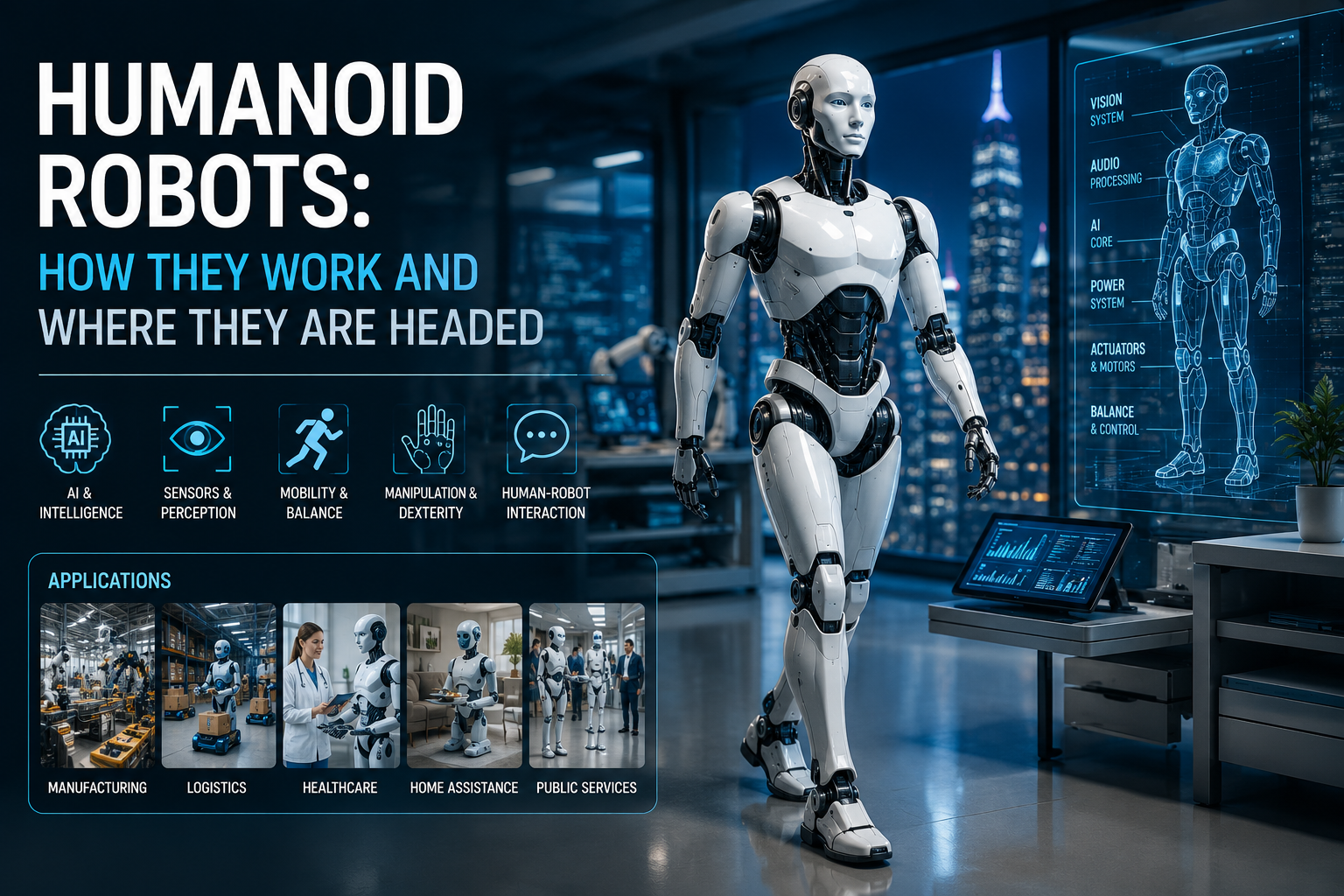
The development of humanoid robotics combines mechanical engineering, artificial intelligence, computer vision, sensors, batteries, control systems, and software.
What Is a Humanoid Robot?
A humanoid robot is a machine designed to resemble and operate in ways broadly associated with the human body.
Most humanoid robots include a head or sensor platform, upper body, arms, hands, legs, and feet. However, not every humanoid robot has exactly the same design.
The human body is an extremely complicated system, so reproducing its movement is challenging. Walking requires continuous balance adjustments. Picking up an object requires coordination between vision, movement, grip strength, and feedback.
Humanoid robots attempt to reproduce some of these capabilities using mechanical components and computer-controlled systems.
How Humanoid Robots Move
Movement is one of the greatest challenges in humanoid robotics.
Human beings constantly adjust their posture while walking. A robot must similarly calculate how to move its joints while maintaining balance.
Actuators provide movement to robotic joints. Depending on the design, robots may use electric motors, gear systems, hydraulic mechanisms, or other technologies.
Sensors continuously provide information about the robot’s position and surroundings. This information can be processed by control software that adjusts movement.
Modern humanoid robots may use inertial measurement units, joint sensors, force sensors, cameras, depth sensors, and other technologies to understand their position.
The Importance of Balance
Walking on two legs is difficult for robots because the machine must keep its center of mass within an appropriate area while moving.
Robotic control systems therefore monitor balance and adjust movements rapidly.
Uneven floors, obstacles, unexpected contact, and changes in load can make walking even more complicated.
Research into dynamic walking aims to make humanoid robots more stable and efficient while reducing the amount of energy required for movement.
Artificial Intelligence and Humanoid Robots
AI is one of the most important technologies behind modern humanoid development.
Traditional robots are often programmed for specific sequences. Humanoids, however, need to operate in environments where situations can change.
AI can help robots interpret visual information, recognize objects, understand instructions, and plan actions.
Large AI models can also make human-robot interaction more natural. Instead of communicating through complicated commands, people may eventually be able to tell a robot what they want using ordinary language.
For example, a worker could instruct a robot to move a particular object to another location. The robot would need to understand the request, identify the object, plan a path, and safely execute the task.
Computer Vision
Humanoid robots need to understand their surroundings.
Cameras and other sensors provide visual information about people, objects, rooms, doors, stairs, tools, and obstacles.
Computer vision software processes this information to help the robot determine what it is seeing.
Advanced systems may combine multiple sensors to create a more complete representation of the environment.
This capability could be important in warehouses, factories, hospitals, offices, and homes where the robot cannot rely on a perfectly controlled environment.
Robotic Hands
Human hands are remarkably versatile, making robotic hands another major engineering challenge.
A human hand can grip objects of different sizes, shapes, weights, and textures. It can also adjust pressure automatically.
Robotic hands use motors, actuators, sensors, and mechanical structures to perform similar functions.
Future developments may enable humanoids to manipulate a wider range of objects, making them more useful for practical work.
Potential Applications
Humanoid robots could eventually perform tasks across numerous industries.
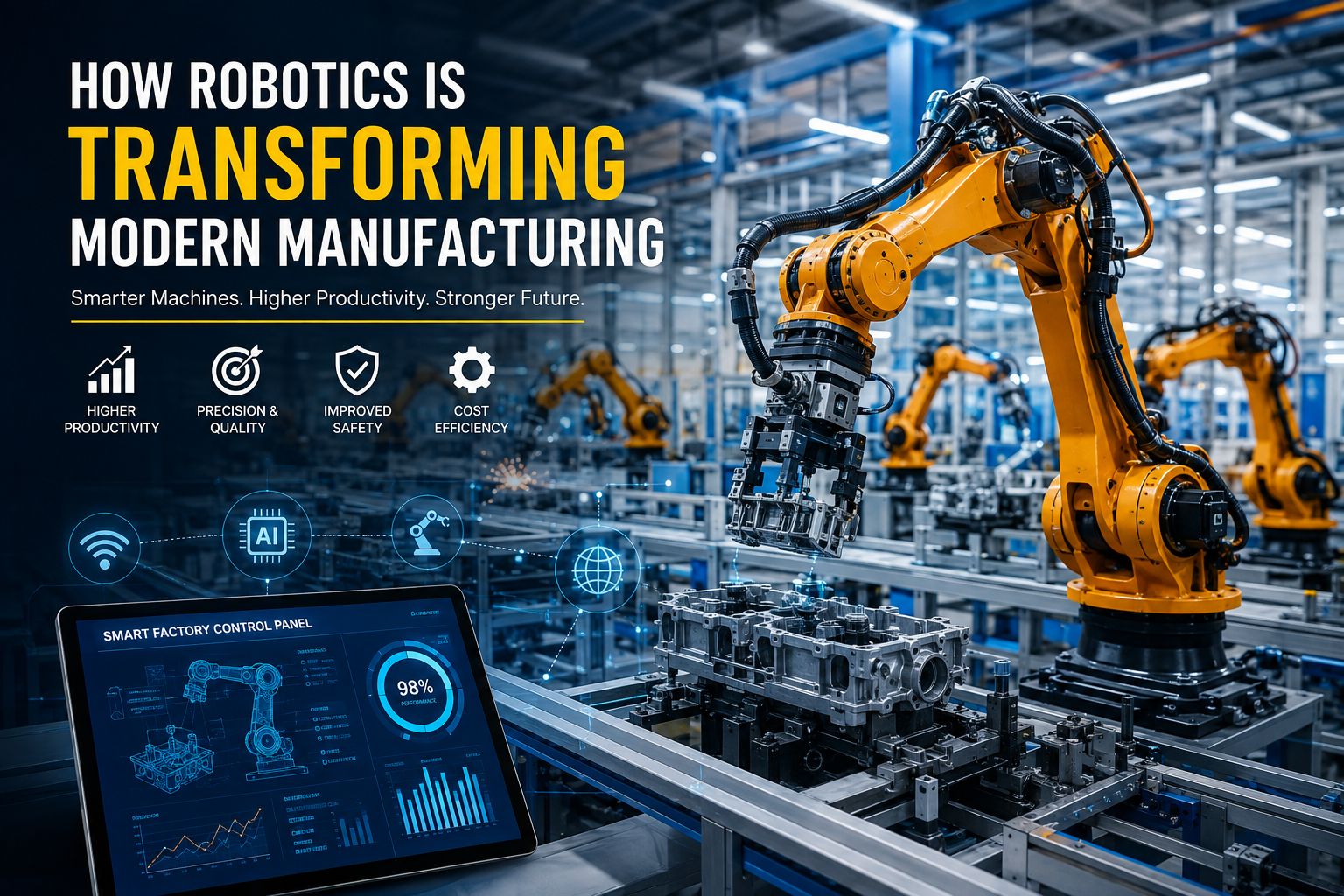
In manufacturing, they could work alongside existing equipment and handle repetitive material movement or assembly tasks.
In warehouses, they could move packages, organize inventory, and perform loading or unloading operations.
In hospitality, they might assist with deliveries, information services, or routine support.
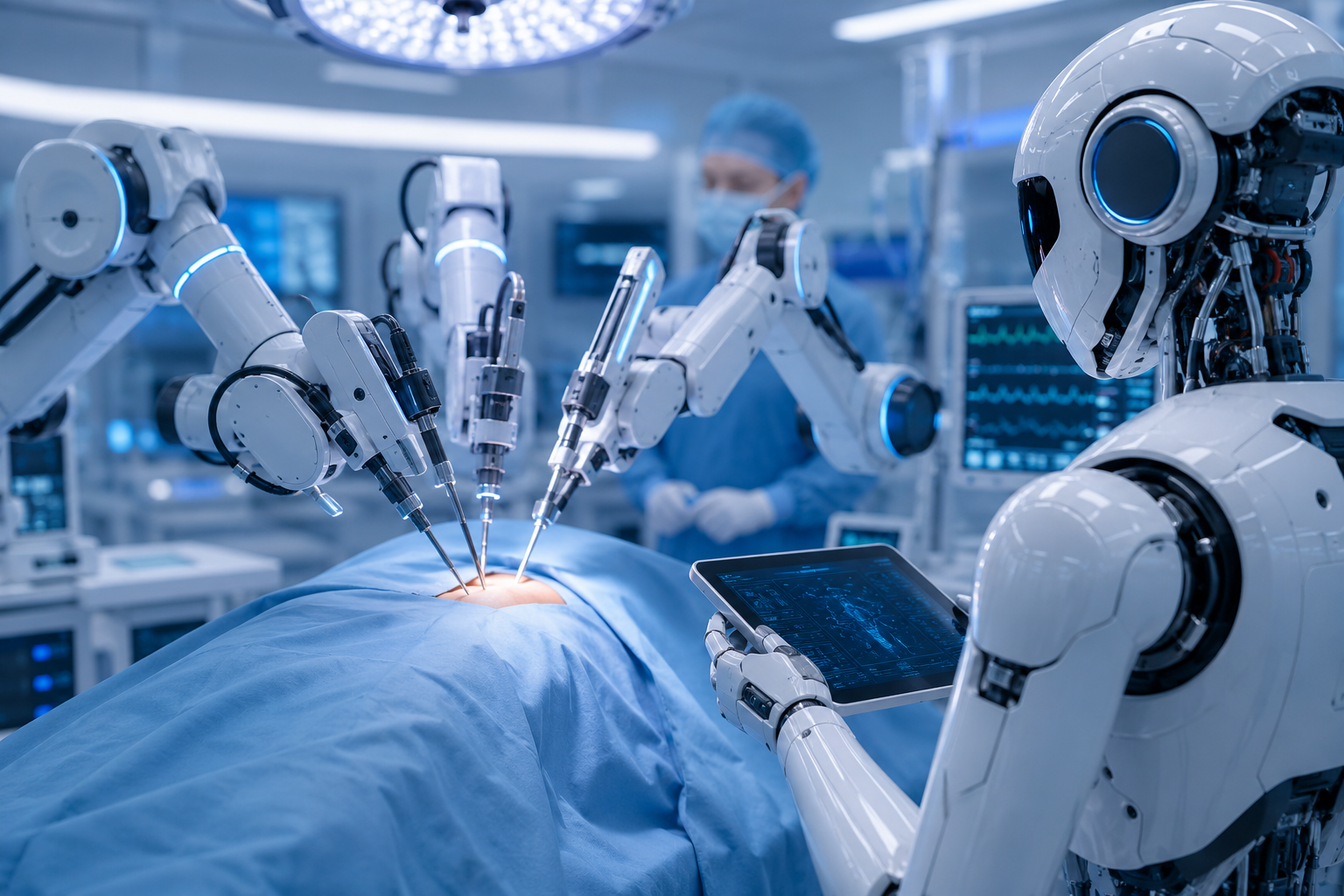
In healthcare environments, humanoids could potentially help transport supplies or assist staff with routine logistical activities.
At home, domestic humanoids could eventually perform tasks such as carrying objects, organizing rooms, or assisting people with everyday activities.
However, many of these applications remain under development, and practical deployment depends on reliability, safety, cost, and regulatory considerations.
Why Human-Like Design Matters
A major argument for humanoid robots is that the world has already been designed around human bodies.
Buildings have doors, stairs, shelves, tools, vehicles, and workstations designed for people.
A robot with a human-like body could potentially use these existing environments without requiring extensive infrastructure changes.
This could provide an advantage over specialized machines in situations where environments are constantly changing.
Energy and Battery Challenges
Humanoid robots need significant energy to move motors, sensors, processors, and other systems.
Battery technology therefore represents an important limitation.
A robot that can work for only a short period before recharging may not be practical for many applications.
Engineers are working on improving battery energy density, motor efficiency, power management, and mechanical design.
Reducing the weight of robots can also reduce energy consumption.
Safety and Human Interaction
Humanoid robots are expected to operate around people, making safety a fundamental requirement.
A robot must understand its surroundings and respond appropriately when people enter its path.
Physical safety systems can include force sensing, collision detection, controlled movement, emergency stops, and operational boundaries.
Software safety is equally important. Robots need clear rules about what they are permitted to do.
As humanoids become more capable, companies and regulators will need to establish appropriate standards for testing and deployment.
Economic Impact
The growth of humanoid robotics could influence labor markets in several ways.
Robots may perform physically demanding or repetitive work, potentially helping businesses address labor shortages in certain sectors.
At the same time, increased automation could reduce demand for some tasks currently performed by humans.
New jobs may emerge in robot maintenance, programming, supervision, safety, integration, and AI operations.
The long-term effect will depend heavily on how quickly humanoid robots become affordable, reliable, and capable.
The Future of Humanoid Robotics
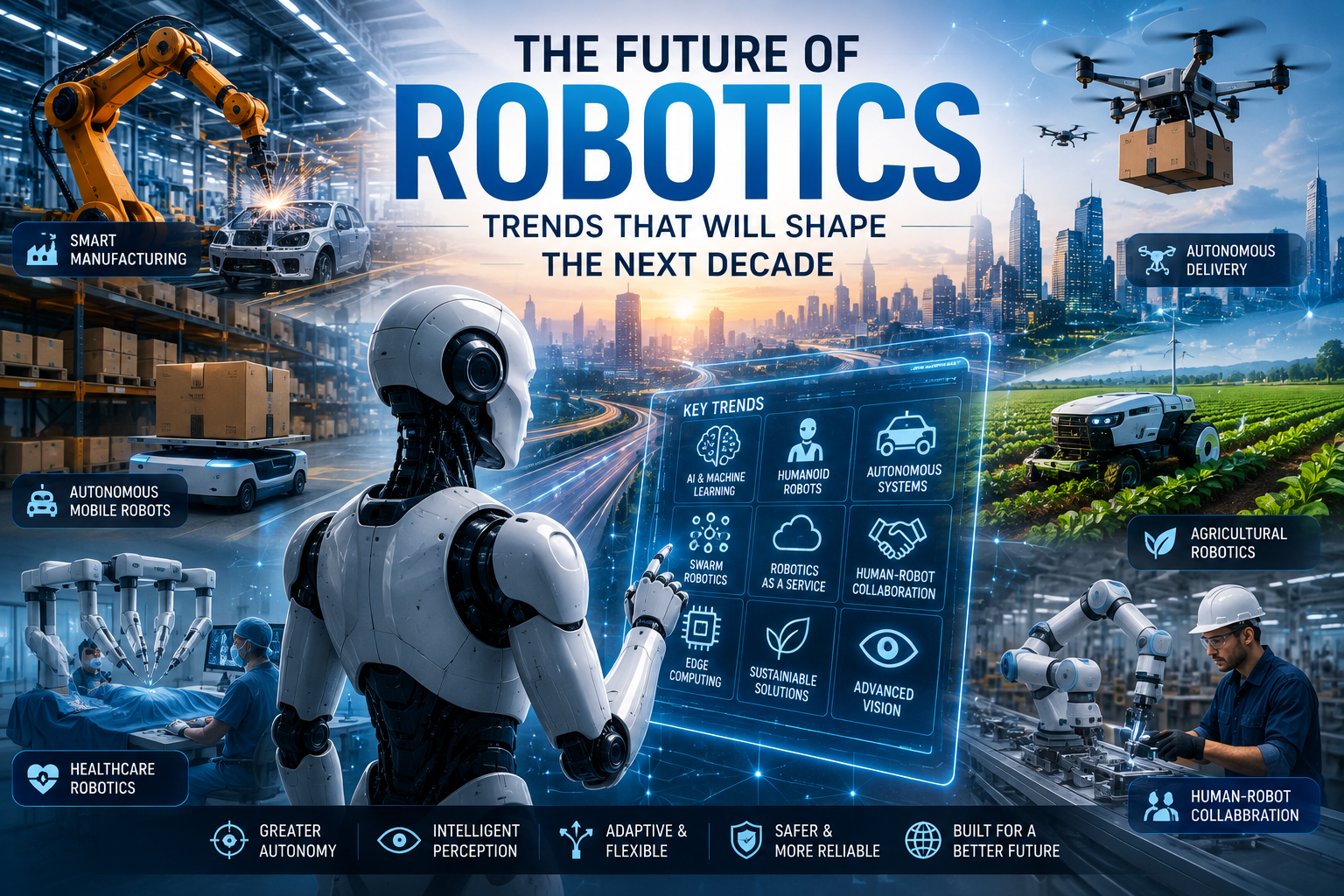
The next decade could bring major progress in humanoid robots.
Robots may become more capable of learning tasks, moving through complex environments, manipulating unfamiliar objects, and communicating naturally with humans.
Improvements in AI could allow robots to generalize skills rather than requiring extensive programming for every new activity.
Another important development could be the creation of shared robotic platforms that can perform different jobs through software updates.
Instead of buying a machine designed for only one task, organizations could potentially deploy general-purpose humanoids and customize their capabilities.
Conclusion
Humanoid robots represent one of the most ambitious areas of robotics. Their combination of human-like movement, AI, computer vision, and manipulation could allow them to operate in environments built for people.
Significant challenges remain, including battery life, balance, dexterity, reliability, cost, safety, and software complexity.
Nevertheless, continued progress could make humanoid robots increasingly useful in manufacturing, logistics, services, and eventually everyday environments.
The future of humanoid robotics will not be determined only by how closely machines resemble humans. Their real value will depend on whether they can safely, reliably, and economically perform useful tasks in the real world.